Skip to content

Alternative Brewing Methods Compared

mm Marcus Chen 7 min read

Why Brewing Method Matters

Reviewed by Marcus Chen Updated

Key Takeaways

  • Alternative brewing is a set of trade-offs you choose on purpose: clarity versus body, repeatability versus control.

  • Drip coffee makers offer the best balance of quality, repeatability, and daily usability for most home brewers.

  • Pour over methods deliver maximum clarity and definition but require attention and technique to avoid channeling or bitterness.

  • French presses produce rich, heavy cups with full immersion but blur flavor layers and require more cleanup.

  • Moka pots create intense, concentrated coffee at low pressure but demand careful heat management to avoid harshness.

  • Vacuum siphons deliver theatrical, clean-tasting cups with immersion-like saturation and filter-like clarity but add workflow friction.
How We Evaluate Brewing Methods

Five criteria that matter in the real world: flavor shape, temperature control, repeatability, cleanup friction, and batch flexibility.

The Five Criteria That Matter

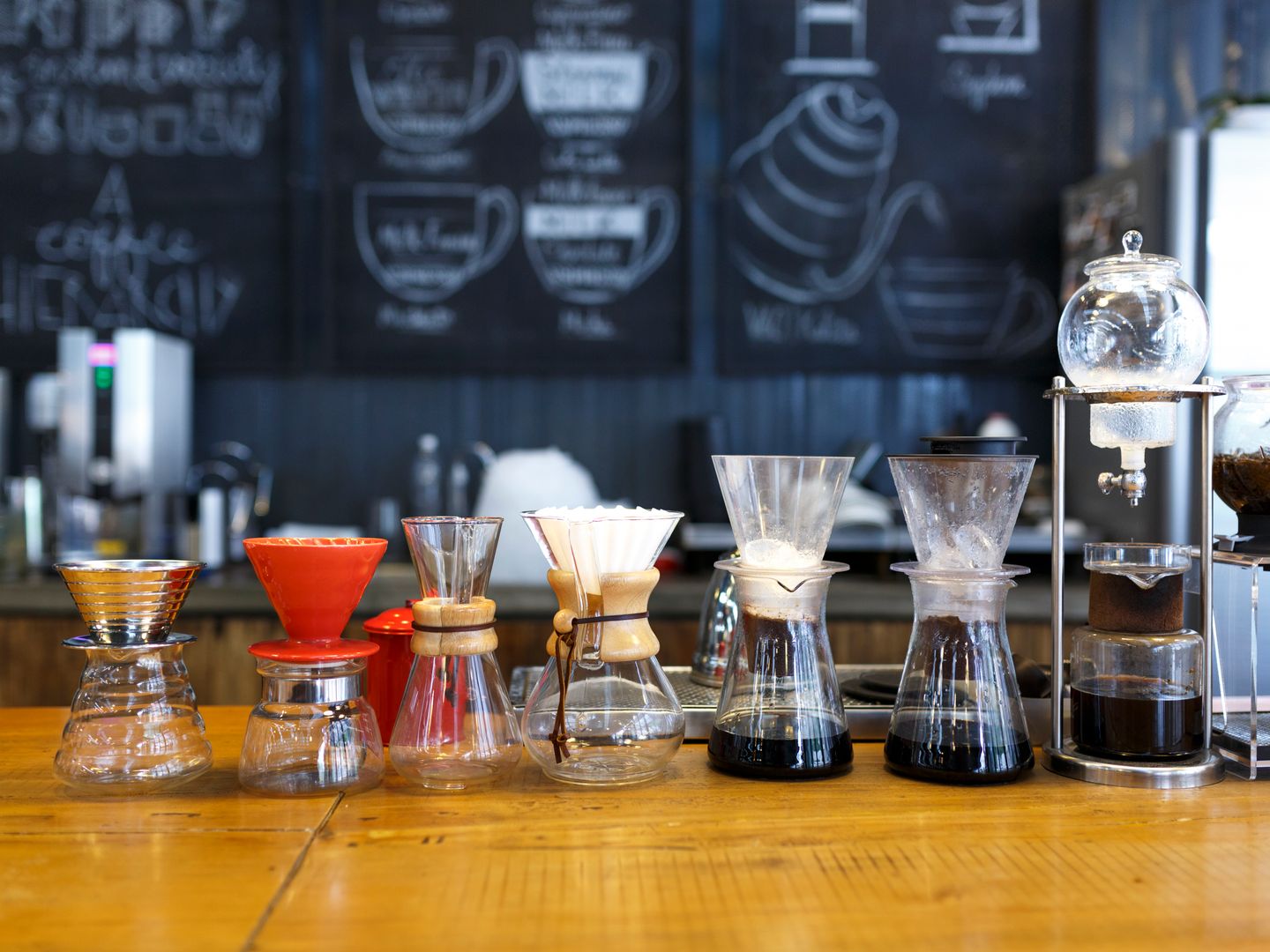
I judge these methods on five criteria that matter in the real world: flavor shape (clarity vs body), temperature and extraction control, repeatability, cleanup friction, and batch flexibility.

A balanced filter cup typically lives near the Specialty Coffee Association's Golden Cup targets—about 1.15–1.35% TDS with an extraction yield around 18–22%—but the path to that zone looks very different depending on your brewer and your tolerance for variables.

The tuning loop I use across all of them is simple and repeatable: start with a consistent ratio (the SCA midpoint is often cited as about 55 grams of coffee per liter of water), then adjust grind to hit a sensible brew time for your method.

Then adjust water temperature within the 195–205°F window based on roast level and taste, then adjust agitation (less is usually more), and only then change the ratio. That order keeps you from chasing your tail.

Five Methods Compared

From the easiest repeatable brewer to the most theatrical clean cup, here's how five popular methods stack up.

Drip Coffee Maker
Best Overall

Drip Coffee Maker

Quietly excellent repeatability for 2–8 cups; lock in grind, dose, and water, then let the machine handle consistent saturation and timing.

Pour Over Brewers
Highest Clarity

Pour Over Brewers

Paper filtration plus controlled flow rate and agitation deliver sweetness and definition, but small mistakes show up immediately as bitterness or hollowness.

French Presses
Boldest Body

French Presses

Full immersion and metal filtration let oils and fine particles through for a satisfyingly round cup, though clarity and cleanup suffer.

Moka Pot
Compact Intensity

Moka Pot

Brews around 1–2 bar for a concentrated cup that stands up to milk, but requires careful heat management to avoid harshness.

Vacuum Siphon
Theatrical Clean

Vacuum Siphon

Combines immersion-like saturation with filter-like clarity for an impressively crisp cup, though fragile glass and seals add workflow friction.

Three Common Filter Options


Drip Coffee Maker

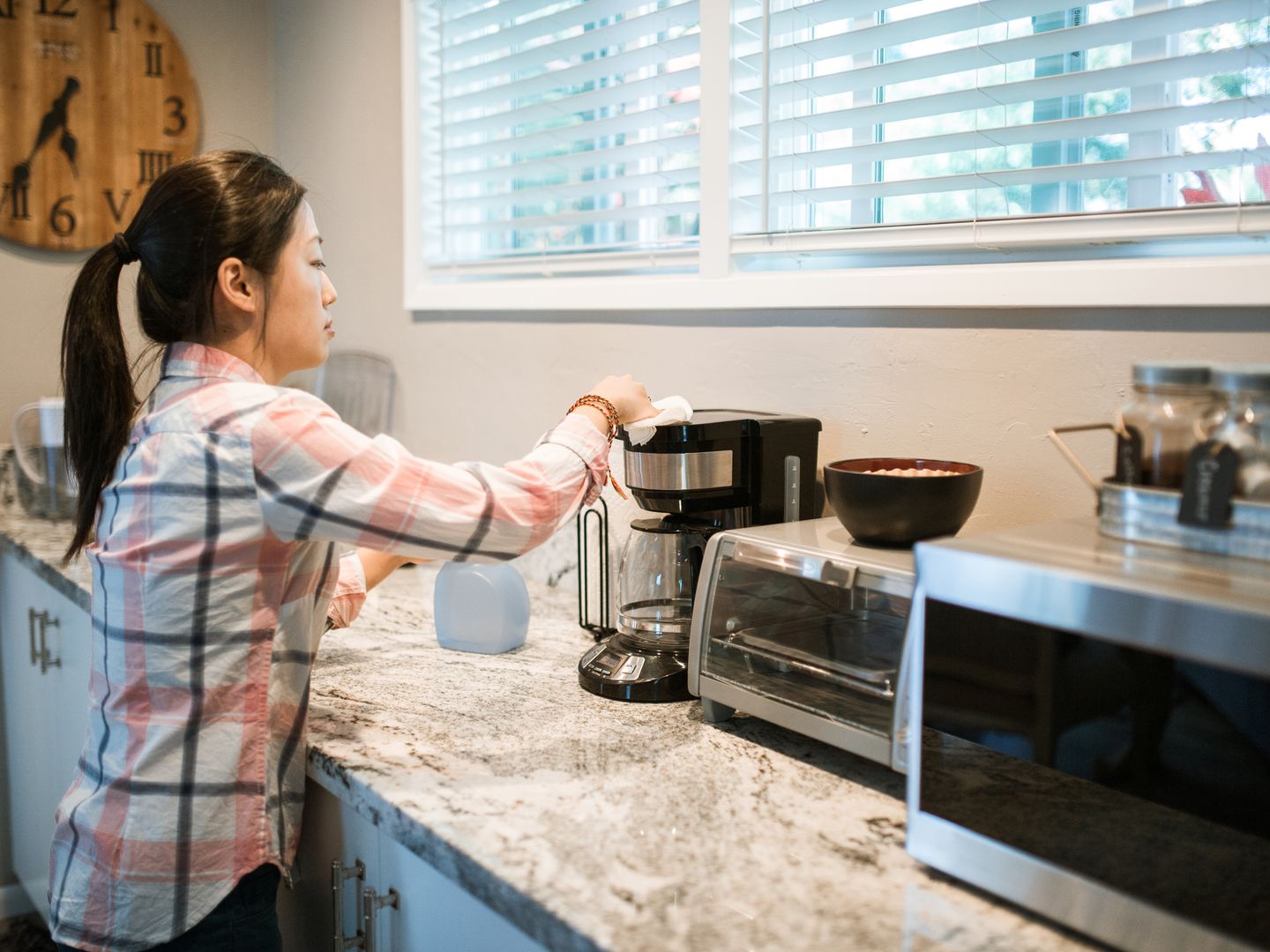
Balanced, clean flavor. Low effort, set-and-wait. Best for multiple cups. Usually easiest cleanup. Medium control (machine-dependent). When it's good, it's quietly excellent—especially for 2–8 cups at a time. The strongest point is repeatability: you can lock in grind, dose, and water, then let the machine do consistent saturation and timing.

Pour Over Brewers

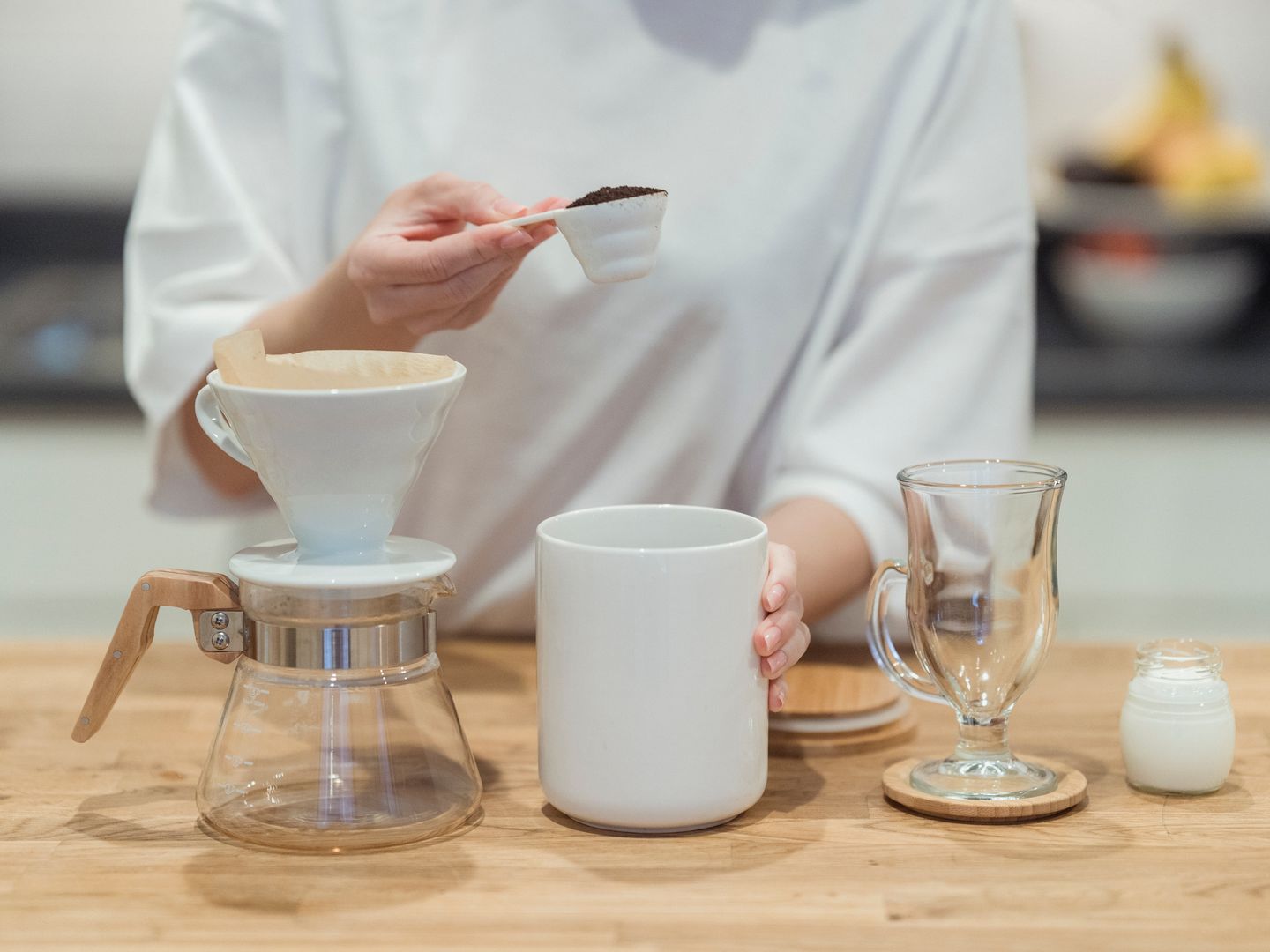
Highest clarity. Active, hands-on. Best 1–2 cups. Moderate cleanup. Highest control. When people say a pour-over tastes clear, that's largely paper filtration plus your ability to control flow rate, agitation, and contact time. You can push sweetness and definition in a way immersion methods rarely match, but you pay for it with attention.

French Presses

Heaviest body. Steep-and-press. Best 1–4 cups. Often messiest. Medium control. This is the most forgiving path to a rich, heavy cup because it's full immersion and relatively low drama. The win is body: metal filtration lets oils and fine particles through, which can make medium and darker coffees taste satisfyingly round.

The Baseline: Drip Coffee Makers

The Baseline: Drip Coffee Makers

The drip coffee maker is the baseline for good reason. When it's good, it's quietly excellent—especially for 2–8 cups at a time. The strongest point is repeatability: you can lock in grind, dose, and water, then let the machine do consistent saturation and timing. The weakness is that many drip machines still miss the basics: uneven spray patterns, sloppy brew temperatures, weak flow control. You can't save a bad machine with technique the way you can with manual methods.

Brewing Method Comparison

Brew Style Flavor Typical Time
Drip coffee maker balanced, clean low effort, set-and-wait best for multiple cups
pour over brewers highest clarity active, hands-on best 1–2 cups
french presses heaviest body steep-and-press best 1–4 cups

Cleanup and control vary by method; pour over offers highest control, drip usually easiest cleanup.

Best for Hands-On Clarity

Pour over brewers deliver the highest clarity and definition when you want to taste distinct flavor layers. Paper filtration and controlled flow rate let you push sweetness, but attention and technique are required.

  • A gooseneck kettle with PID control can hold a set temperature without constant re-boiling, making your technique more repeatable.
  • Fellow's Stagg EKG line is built around a PID controller and includes a hold mode that maintains set temperature for up to 60 minutes.
  • Small mistakes—pouring too fast, grinding too fine, or letting the slurry channel—show up immediately as bitterness or hollowness.
  • This is where a temperature-stable kettle matters: precise control makes your technique more repeatable than close enough.
  • You can push sweetness and definition in a way immersion methods rarely match, but you pay for it with attention.

For maximum clarity without the papery edge some people notice in certain filters, a pour over with good technique is hard to beat.

Find Your Brewing Method

Answer two quick questions to match your workflow and flavor preferences with the right brewing method.

How much daily effort are you willing to invest?
What flavor profile do you prefer?

Explore All Methods

  • Drip Coffee Maker

    Best overall for repeatable, balanced coffee with the least daily effort—assuming it's built to brew at proper temperatures and saturate evenly.

  • Pour Over Brewers

    Choose pour over if you enjoy hands-on control and want maximum clarity. Small mistakes show up immediately, but the sweetness and definition are hard to match.

  • French Presses

    Choose a french press if you prioritize body and don't mind sediment and cleanup. Full immersion and metal filtration deliver satisfyingly round cups.

  • Moka Pot

    Choose a moka pot if you want a compact, intense cup and you're willing to manage heat. It produces small, concentrated coffee that stands up to milk.

Compact Intensity: Moka Pot

People call it stovetop espresso, but it's not espresso—and that's fine. A moka pot typically brews around 1–2 bar of pressure, far below espresso's ~9 bar, which means you should not tamp like espresso or you'll risk stalling the brew and tripping the safety valve.

The upside is intensity: it produces a small, concentrated cup that stands up to milk without needing a dedicated espresso machine. The downside is narrow margin for error: too hot and it tastes harsh; too fine and it chokes; too cool and it tastes thin.

Preheating water (carefully) and managing heat so it finishes smoothly—not sputtering—is the difference between bold and sweet and burnt and bitter. When done right, a moka pot delivers a compact, intense cup with satisfying body.

Disclosure If you buy through links on this site, we may earn a commission at no extra cost to you. We recommend only products and methods we've tested and believe will help you brew better coffee at home.
mm

Marcus Chen

Coffee Equipment Editor

Marcus has spent over a decade perfecting espresso at home and testing coffee equipment for enthusiast communities. He combines engineering precision with a passion for helping home baristas find gear that delivers café-quality results without the commercial price tag.